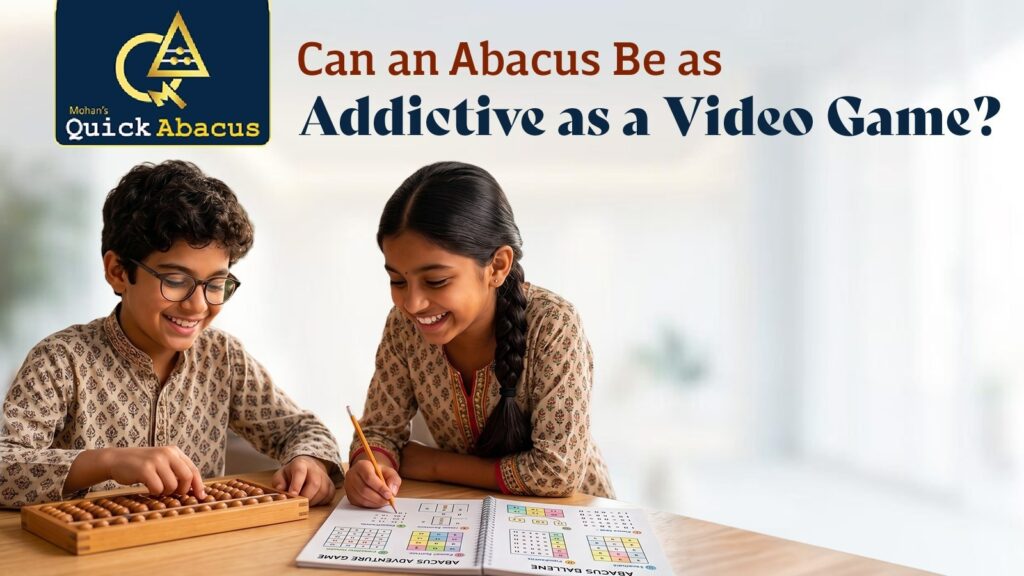
Children today are naturally drawn to activities that are exciting, interactive, and rewarding. Video games often keep them engaged because they offer challenges, achievements, and a sense of progress. Interestingly, abacus learning can create a similar experience when taught in an engaging and structured way.
While an abacus and a video game serve very different purposes, both encourage focus, improvement, and a desire to reach the next level.
The Excitement of Learning Something New
Children enjoy activities where they can see themselves getting better over time. Abacus training introduces new concepts gradually, allowing students to build their skills step by step. As they solve calculations faster and more accurately, they experience a sense of achievement that keeps them motivated to continue learning.
Each milestone becomes a reason to practice more and improve further.
Making Mathematics Enjoyable
A well-designed abacus course for kids transforms numbers into an engaging learning experience. Instead of viewing mathematics as difficult or stressful, children begin to see it as an enjoyable challenge.
Through regular practice, they develop stronger concentration, quicker thinking abilities, and greater confidence in handling numbers. The learning process becomes active, interactive, and rewarding.
Why Progress Feels Rewarding
One reason children enjoy games is the feeling of accomplishment that comes from advancing to higher levels. Abacus learning offers a similar sense of progress. As students improve their speed and master new techniques, they become more confident in their abilities.
Consistent mental math training helps sharpen memory, improve focus, and strengthen problem-solving skills, creating benefits that extend beyond the classroom.
Building Skills That Last
Unlike activities that provide only temporary entertainment, abacus learning helps children develop valuable life skills. It encourages discipline, patience, concentration, and logical thinking while keeping learning enjoyable.
At Quick Abacus, students are guided through interactive lessons designed to make learning engaging while supporting their academic growth and cognitive development.
Conclusion
An abacus may not have colourful graphics or virtual rewards, but it offers something just as valuable, the satisfaction of learning, improving, and achieving goals through effort and practice. For many children, mastering mental math becomes an exciting journey that keeps them motivated and eager to learn more.
Help your child discover the joy of learning with engaging and interactive programs at Quick Abacus
The best learning happens when children enjoy the journey as much as the achievement.